

You are a woman and your name is Yvonne Laure Jeanne Decaze. It's the 1920s and you marry your second cousin, Albe Charmolüe. The wedding takes place just one month after your father-in-law, Louis Victor Charmolüe, has died.
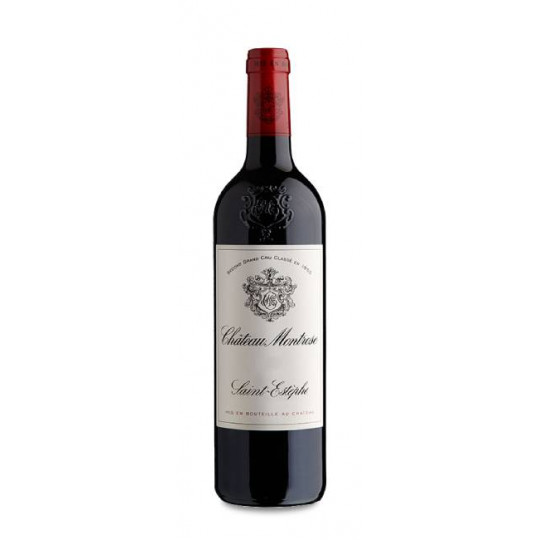
You immediately have this surname and your husband, who is not in very good shape after returning from World War I, takes over Château Montrose, a 95-hectare estate in the AOC Saint-Estèphe, in the Médoc region, in northern Bordeaux.
In 1926 you have your first son, Louis; and three years later, in 1929 a daughter, Françoise. With the new decade comes the Depression of 29 and the great crisis. Your husband is still running the estate. Despite everything, you just about manage to support yourselves. Things are alright, until 1933, when a fire devastates part of the vineyards. But the worst is yet to come: that same year your son Louis dies at just 8 years old. Two years later, in 1935, Jean-Louis, your third child, is born.
And then in 1939, World War II begins. Your husband wants to go and fight, but he isn’t healthy enough. It feels a bit like your family is being spared from the bullets, but the war comes right to your doorstep when the French and German army occupy Château Montrosé. “Not even sitting by the fire at home can save man from his destiny,” Aeschylus said. The French installed anti-aircraft guns on the property. The Germans turned the vineyards into a makeshift shooting range. Some vines were damaged by the bombs.
In 1944, a year before the war ended, your husband died. And suddenly you find yourself alone, in the middle of a post-war era, with two children to raise and a business that needs restarting. And one final, but crucial detail: you are a woman, alone, in a man’s world. However, Yvonne Charmolüe succeeded.
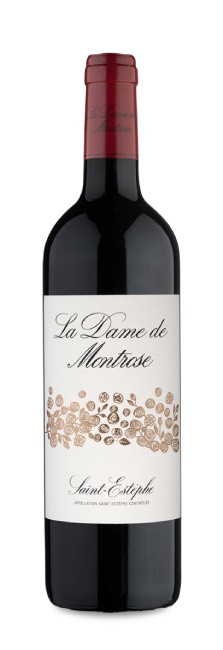
As a tribute to this woman, Château Montrose La Dame de Montrose was made. This is the second wine from this cru classé, created in 1985 by Jean-Louis Charmolüe in recognition of his mother.
Château Montrose La Dame de Montrose is a red wine made from vineyards planted around the Château Montrose, all together in the same plot, which is unusual in this area. These vines grow on a gravel soil made of sand on the top and clay in the subsoil. This leaves room for the water reserves that help the vines to survive through dry summers.
The Château Montrose La Dame de Montrose harvest begins with a triple selection process: in the vineyard, when the grapes reach the winery and a visual sorting. The Château Montrose La Dame de Montrose grapes are de-vatted and fermented for 25 days in the winery’s 92 tanks. This results in more than 60 batches of wine, which will be carefully classified and tasted, and then finally assembled and mixed.
Château Montrose La Dame de Montrose is more than just wine: it is a true token of love. The perfect way to tell a mother how much you love her.