



 Red wine
 White wine
 Rosé wine
 Sweet wine
 Orange wine
 Champagne
 Cava
Cava Prosecco
 Lambrusco
 Crémant
 Moscato d'Asti
 Franciacorta
 Pet-Nat
 Corpinnat
 Other sparkling wines
 Wine gift boxes
 Boxed wines
 Boxed sparkling wines
 Wine bottles and glasses
 Gift card
 Non alcoholic Wine
 Non alcoholic Sparkling wine
 Aromas
 Wine conservation
 Decanters and aerators
 Bottle identifiers
 Corkscrews
 Service
 Glass identifiers
 Cleaners
 Accessories set
 Wine glasses
 Contact

Brandy de Jerez or Cognac: The Four Key Differences
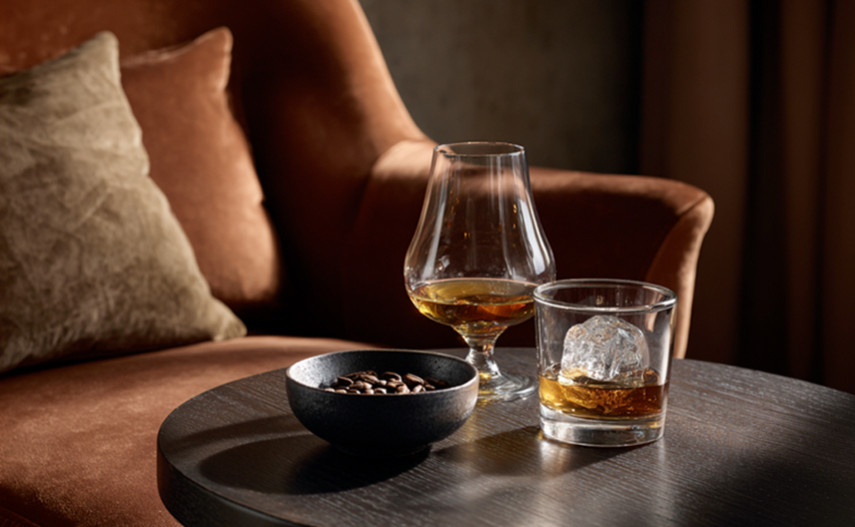
Same colour, same appearance... Yet they are never identical. Although Brandy de Jerez and Cognac share the same origin—and both hold a prestigious position among premium spirits—their characteristics are entirely distinct. Territory, climate, and tradition are key factors that exert a decisive influence, ensuring that both beverages retain their unique character, impossible to confuse (although
Two Territories with Distinct Identities and a Significant Differentiating Feature
To begin discussing both spirits, it is essential to consider the location or area where the process takes place, as the climate of each region will inevitably influence the maturation and development of this beverage.
It is important to note that, although brandy is produced in many other places, only those spirits crafted in the renowned Marco del Jerez, encompassing Jerez de la Frontera, Sanlúcar de Barrameda, and El Puerto de Santa María, are designated as brandy de Jerez. Other regions also produce brandy; however, the Jerez designation is reserved for this area. A similar situation occurs with cognac, as only spirits produced in the west of France can bear this name.
At this point, it is crucial to discuss the climate. While the Marco del Jerez is characterized by its hot summers, mild winters, and abundant sunshine—with Poniente and Levante winds accentuating the humid and dry nature of each vintage—the Cognac region experiences a cooler climate, with mild winters and much more moderate summers, where the significant differentiating factor is the high humidity and rainfall distributed throughout the year.
In summary: all cognac is brandy, but not all brandy can be cognac.
The Origin: The Grapes
Like any fine wine, quality brandy and cognac also begin in the vineyard, where the differences are evident from the outset. While the production of brandy de Jerez primarily uses palomino and airén grapes, cognac relies heavily on a group of white varieties, predominantly ugni blanc.
The palomino (native to southern Spain) and airén (more common in Castilla-La Mancha) are characterized by being more neutral varieties, with low acidity and high alcohol content, capable of enduring long periods of maturation and aging. In contrast, the ugni blanc, with higher acidity and lower alcohol content, contributes greater aromatic concentration, elegance, and finesse to the final spirit. The same origin, but different sides of the coin: power and structure versus precision and elegance.
Distillation: A Shared Tradition
Both brandy de Jerez and cognac originate from the same technique: distillation. This process, which began in Pakistan in 3000 B.C., involves separating the components of a liquid substance through heat evaporation, subsequently recovering a purer part of that liquid through cooling and condensation. This technique, used by various civilizations throughout history, was perfected by the Arabs who, despite the Quranic prohibition, used alcohol for medicinal and cosmetic purposes. In this context, there is evidence of black powders that were vaporized and allowed to solidify, used as eye paints. This is known as Kohl, which is still used today. From here, due to the similarity of the process, the word Al Kohl is derived.
In both the case of cognac and Jerez brandy, a double distillation is essential. The name varies from one place to another (in Cognac, this process is called heating); however, the essence of the process remains the same, where the truly important aspect is the separation of the heads (volatile compounds) from the tails (heavier compounds) to obtain the heart of the pure spirit, which will be aged.
Aging: The Great Secret
Once the spirit is obtained, the next step is aging. Here, brandy de Jerez clearly distinguishes itself, thanks to the famous criaderas and solera system also used for the production of its fortified wines. In this dynamic system, where the spirit moves from one cask to another, it is also crucial that the casks used are made of used American oak, which have previously contained wines from this region, imparting notes of dried fruits, vanilla, and spices. In the case of cognac, the liquid also ages in barrels, but in this instance, they are made of French oak (new or used), without movement, remaining much more static. In this case, the material imparts notes of dried flowers, spices, and noble wood.
The Final Result: Classifications and Styles
Brandy and cognac also differ in their classification. In brandy, the categories are very similar to those of wines, with distinctions between Solera, Solera Reserva, and Solera Gran Reserva. In cognac, the most common mentions are VS (2 years of aging), VSOP (4 years of aging), and XO (10 years of aging), referring to the minimum age of the youngest spirit.
The result is that brandy de Jerez is much warmer, enveloping, and luscious, with notes of dried fruits, cocoa, toasted wood, and very pronounced vinous memories. Cognac, on the other hand, emphasizes elegance and subtlety: ripe fruits, flowers, fine spices, and a silky texture that lingers without being heavy. If you are drawn to more intense spirits, with history and a pronounced long aging, brandy will be your best choice. If you prefer something more elegant, subtle, and not overly marked, we are confident that cognac will delight you. Dare to take a look at our selection!
Different ways of measuring time. Different styles. Two paths and one common goal: the pursuit of the highest quality. It all depends on the moment. The choice is yours!
Our Recommendations
| Brandy Conde de Osborne Solera Gran Reserva Dalí Edition | 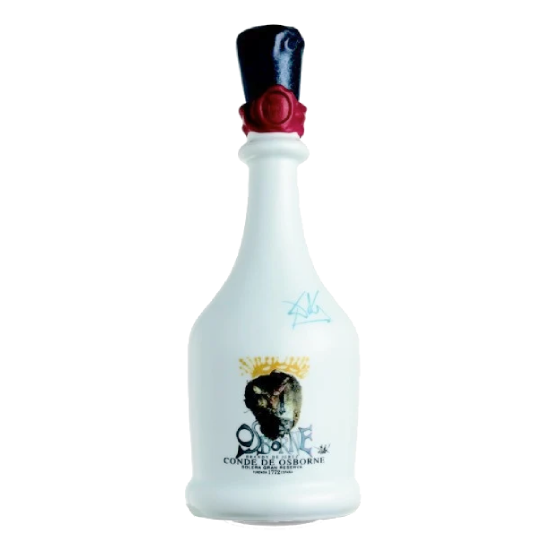 |
Over 10 years of aging and two centuries of tradition are the key to this brandy, whose bottle was designed by Dalí. This is not just any brandy. And it is not appreciated by just any palate. | |
| Brandy Ximénez-Spínola Diez Mil Botellas | 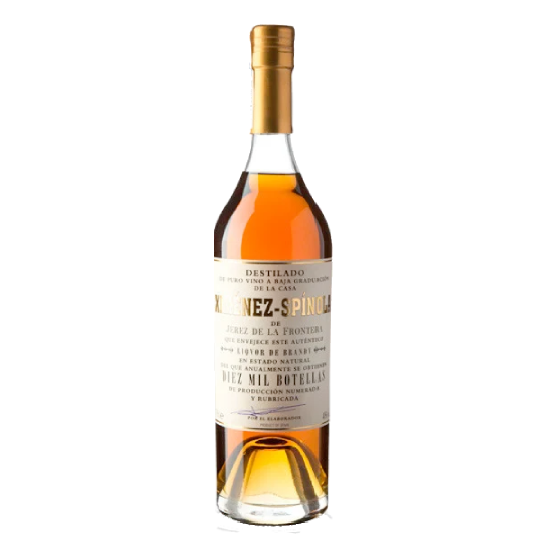 |
The Pedro Ximénez grape gives character and life to this brandy, which ages in chestnut barrels over 75 years old. Undoubtedly, one of the great brandies from this winery. | |
| Brandy Domecq Carlos I Solera Gran Reserva | 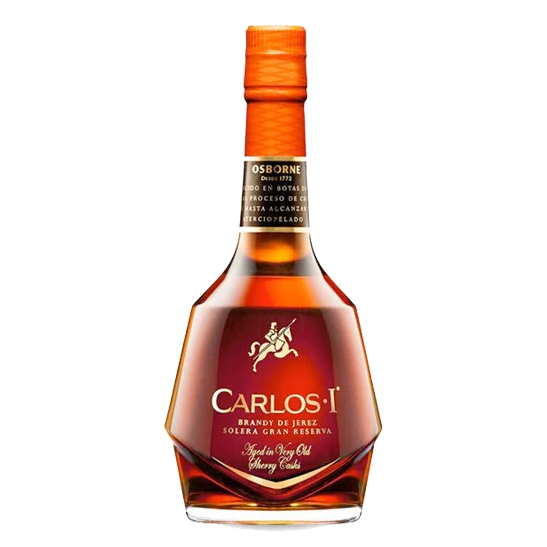 |
The name of a great emperor for a great cognac. Nothing more needs to be said. The only thing left is to taste it and judge for yourself. | |
| Courvoisier V.S.O.P. | 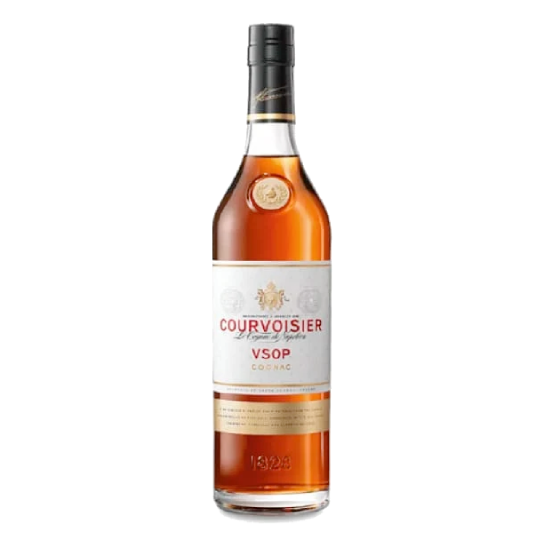 |
Several spirits are the origin of this expressive cognac, which ages in Limousin oak barrels. One of the finest spirits with great harmony. | |
| Courvoisier Napoleon | 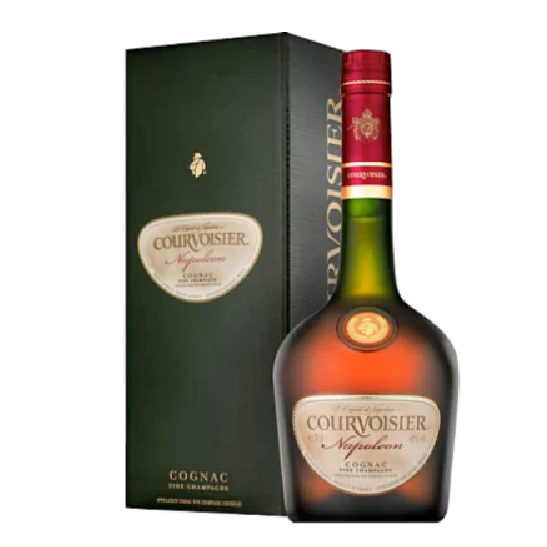 |
Dark amber color, aromas of sandalwood, mushrooms, and apricot. Deep and dry, with a pleasant and lasting impression. Need we say more? | |
| Hennessy VS | 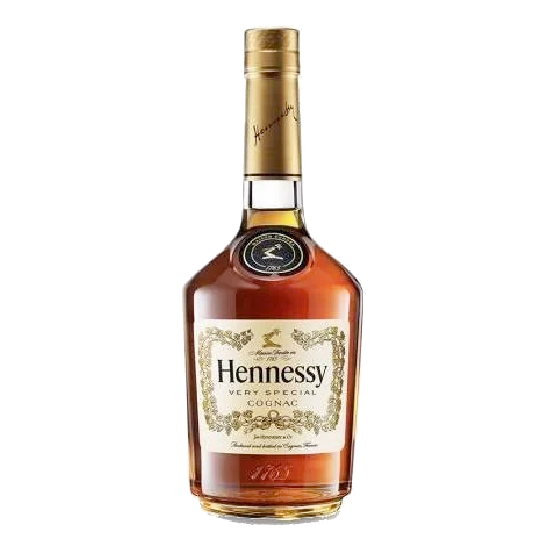 |
Ideal for introducing yourself to the world of cognac! This spirit is one of the most popular in the world, with great quality resulting from the blend of over 40 spirits selected by the master cellarer. After all, the initials VS stand for Very Special, don't they? |