



 Red wine
 White wine
 Rosé wine
 Sweet wine
 Orange wine
 Champagne
 Cava
Cava Prosecco
 Lambrusco
 Crémant
 Moscato d'Asti
 Franciacorta
 Pet-Nat
 Corpinnat
 Other sparkling wines
 Wine gift boxes
 Boxed wines
 Boxed sparkling wines
 Wine bottles and glasses
 Gift card
 Non alcoholic Wine
 Non alcoholic Sparkling wine
 Aromas
 Wine conservation
 Decanters and aerators
 Bottle identifiers
 Corkscrews
 Service
 Glass identifiers
 Cleaners
 Accessories set
 Wine glasses
 Contact

Everything You Didn't Know About Gin (And Will Want to Share)
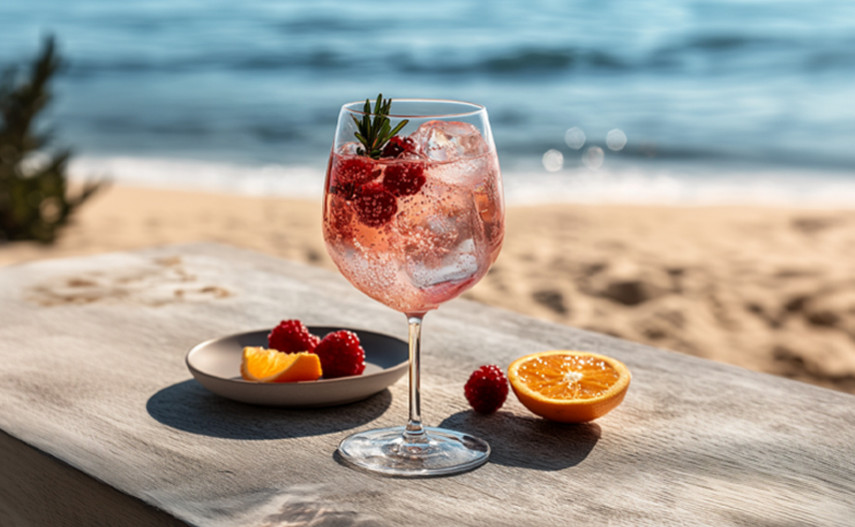
From medicinal remedy to an icon of fine drinking, ginebra has come a long way... And if the gin and tonic was already popular, its recent boom has ushered this spirit into a new era of liquid creativity. Whether you're a fan or simply curious, this express guide is for you.
A drink with history (and a medicinal recipe)
It all began with juniper, Juniperus communis, the star of ginebra. In ancient times, its digestive and diuretic properties were already appreciated, but it was in the Netherlands around 1650 that Dr. Franciscus Sylvius created a juniper-based drink intended as an affordable medicine. The Dutch began taxing this early gin, suggesting that the transition from medicinal remedy to recreational consumption was swifter than anticipated.
During the 16th-century wars, the English, who were fighting alongside Dutch soldiers, discovered jenever (juniper in Dutch), which they dubbed "Dutch courage" due to the bravery or courage associated with its consumption before stressful situations like battles. The English shortened its name, rebranded it as gin, and began to popularise it. The rest is liquid history.
How it is made
It all starts with a neutral alcohol—usually wheat, though it can also be derived from grapes, apples, or potatoes—into which botanicals are infused. Juniper takes the lead with its fresh and resinous profile, followed by allies such as coriander, angelica, citrus, or cinnamon... the botanical world is open, and so is creativity.
After distillation, the alcohol content is adjusted (a minimum of 37.5% in Europe, 40% in the United States) and, generally, it is not aged. However, there are some barrel-aged gins that aim to soften the aromas and add complexity without losing freshness.
Styles of gin
De gustibus non est disputandum (There is no disputing about tastes), the Romans wisely said, and they were not wrong. Because when it comes to gin, there is no single way to enjoy it nor a single style that says it all. Here, tastes unfold like a summer garden.
Here are some of the most notable:
London Dry Gin
Dry, without sugar, without colourings. Only natural aromas added during distillation are allowed. The most common.
Old Tom Gin
A bit sweeter and more complex than London Dry Gin. Very popular in the 18th century. Its name comes from curious metal plaques shaped like a black cat (Old Tom) under which gin was clandestinely served from pubs... directly to the street.
Sloe Gin
Technically more a liqueur than a gin. Sloes are macerated in alcohol, resulting in a red liqueur with a sweetness and flavour reminiscent of pacharán.
Jenever or Genever
A type of Dutch or Belgian gin, older than regular gin, characterised by being more rustic, less neutral, and similar to whisky, as it is made from a malt base.
Plymouth Gin
A gin produced in Plymouth, England. Distinguished by its designation of origin, made with Dartmoor water and seven botanicals. It has a smooth and balanced flavour, with notes of juniper, citrus, and spices. Very popular in cocktails.
Navy Strength Gin
A gin with a high alcohol content, between 57% and 58% ABV (alcohol by volume). It originated in the British Royal Navy, where it was used as currency. A robust gin, with a creamier and fuller flavour.
Ginebra 0.0
For those seeking to enjoy all the flavour of gin without the alcohol content, 0.0 gins are the ideal choice. These versions offer the same botanical, fresh, and complex experience. Perfect for those following an alcohol-free lifestyle or for those who prefer to moderate their consumption without forgoing the pleasure of a good cocktail.
Gin and tonic, the queen of drinks
Legend has it that in the 19th century, British soldiers stationed in India had to take quinine to combat malaria. The bitter taste was almost unbearable, so they began mixing it with sugar, lime, and a splash of gin. Thus, the gin and tonic was born: a remedy turned into pleasure. Today, centuries later, it has become a sophisticated drink that evolves thanks to the variety of gin and tonic styles. A cocktail that remains a favourite for those seeking freshness, elegance, and that touch of history that is sipped leisurely.
Ginebra has it all: history, style, and a botanical range that continues to grow. Whether enjoyed neat, with tonic and ice, or in more daring mixes, toast knowing you hold centuries of alchemy in your glass thanks to a drink with medicinal roots, popular evolution, and a promising creative future that seems limitless. A spirit that, like you, always has another story to tell.
*Image generated by generative artificial intelligence for illustrative purposes.