


 Red wine
 White wine
 Rosé wine
 Sweet wine
 Orange wine
 Champagne
 Cava
Cava Prosecco
 Lambrusco
 Crémant
 Moscato d'Asti
 Franciacorta
 Pet-Nat
 Corpinnat
 Other sparkling wines
 Wine gift boxes
 Boxed wines
 Boxed sparkling wines
 Wine bottles and glasses
 Gift card
 Non alcoholic Wine
 Non alcoholic Sparkling wine
 Aromas
 Wine conservation
 Decanters and aerators
 Bottle identifiers
 Corkscrews
 Service
 Glass identifiers
 Cleaners
 Accessories set
 Wine glasses
 Contact

Getting to know Nacho Martinez, Decántalo wine expert.
There is no still or sparkling wine in Decántalo’s collection that Nacho Martinez doesn’t know or hasn’t tasted. Running through his veins is an intense enthusiasm for wine and an excitement for finding and sharing those “unicorn bottles” that he finds when he travels in his van or rides his bicycle through vineyards.
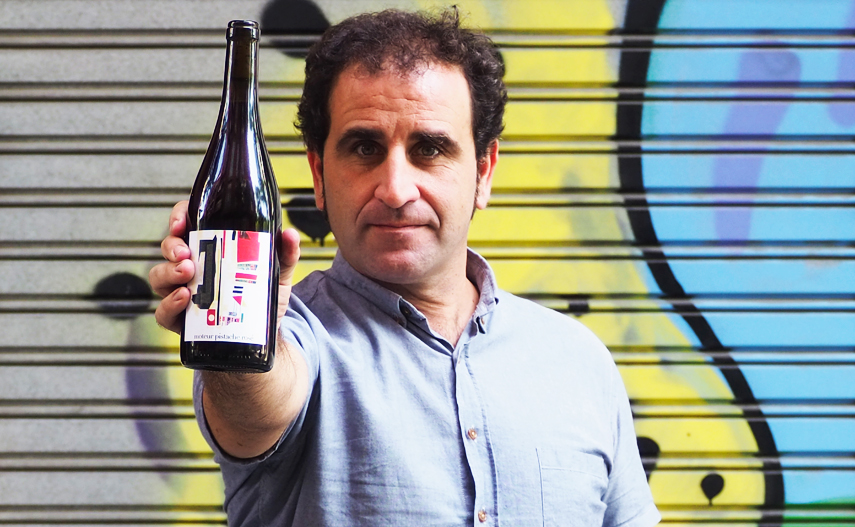
“Pistachio”, as he is usually known in the wine world, is the man behind making the Decántalo catalogue international. He is also a travel guide who takes our wine lovers through countries, regions and varieties using the wine selections he designs, so that our customers can enjoy lots of different wine experiences. He selects every bottle with care and the honest passion of those who are moved by a glass of wine.
This Basque oenologist also collaborates with the 4 Kilos and Comando G wineries to produce two interesting rosé wines that have surprised Parker’s tasters.
Let’s find out a bit more about Nacho Martinez, Decántalo’s wine expert.
- What does wine mean to you?
It is a form of expression between people and territory. It is also a shared emotion, especially after drinking a few good bottles.
- What is the first memory you have of wine?
My father would arrive with his group of friends from La Rioja with a whole load of bulk wine and they would bottle it on our house’s terrace. - Those of us who know you a bit better know that your enthusiasm for wine is a fundamental part of your DNA. Can you imagine living without it? What would you replace it with?
Honestly, no. But I do complement it with music.
- You are an “all-rounder” wine enthusiast, could you tell us a little bit about your adventures before you arrived at Decántalo to manage the wine catalogue?
I changed my profession, and life, 12 years ago. I moved to Barcelona to study Viticulture and Oenology at the Escuela Agraria d'Espiells. During my internship a colleague and I went to help with the harvest in Beaune, Burgundy, and that is where I began to understand the magnitude of the world of wine, with its hundreds of “Crus” and wine profiles in such a concentrated area and only two main grape varieties. In the second year we visited Galicia and Bierzo and that is where I was surprised by the number of grape varieties in the territory and their different tastes.
While I was studying, I used to go to a natural wine shop in the Gràcia district called Ànima del ví, run by a “crazy” Parisian, Benoît Valée, who used to tell me that there was no need to put sulphur in wine. It was the opposite of everything I was learning. A couple of years later he opened the wine bar in el Born, where there was something new to discover about natural wine every day.
To finish my studies, I did an internship in a wine shop, where I then worked for a while. That is where I started going to tastings and was introduced to wine culture through a more global lens. The next step was the link between wine and catering. I started at La Teca de Vila Viniteca, where I built relationships with winegrowers and winemakers and had the opportunity to taste great wines. Then I went to Monvínic where I was in charge of selecting the glasses for the “bar à vins”, and my knowledge of the world wine map was expanded.
From Monvínic I moved to Decántalo, where I started working on the national wine catalogue. After 3 years we saw that we needed to take the leap into the international market, working to offer our customers the largest and broadest catalogue of international wines on the internet.
- Many people know you as “Pistacho” rather than calling you Nacho Martinez. You look very comfortable with your nickname, but could you tell us how you came to be known as “Pistachio”?
Very simple, it was an easy rhyme for my wine profile. And that’s all I can say...
- You have tasted countless wines, you have travelled hundreds of miles in your van to get to know wine projects and denominations of origin from up close. What is it that you found in the Comando G (Madrid) and 4 Kilos (Mallorca) wineries that captivated you enough to start making your own wines with them?
Mainly friendship; also sharing a vision about the world of wine and many, many bottles.
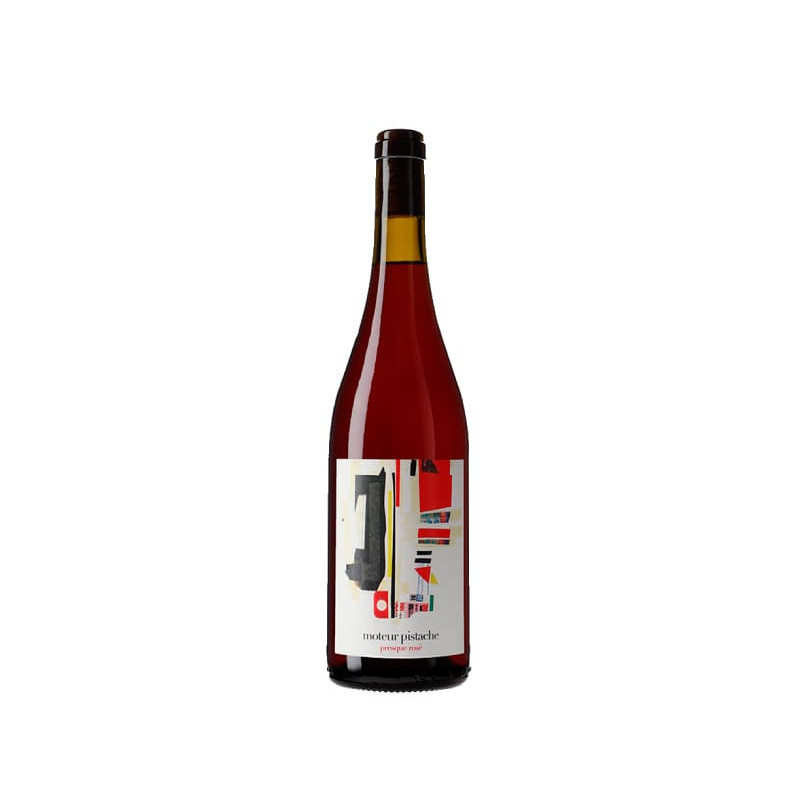
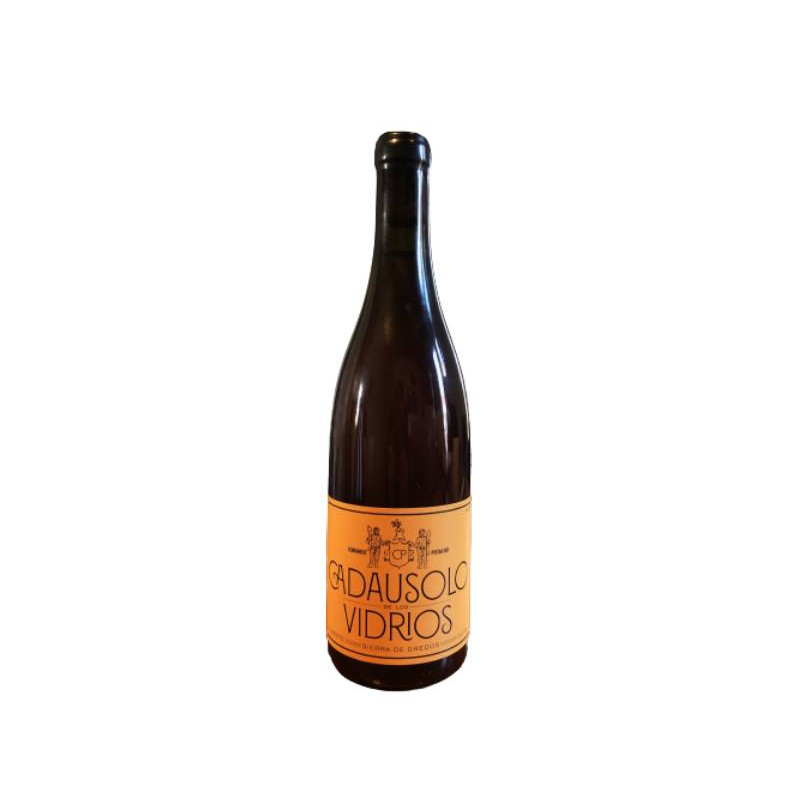
- You made Moteur Pistache Rosé with 4 Kilos and Comando Pistacho Cadausolo de los Vidrios was released very recently and is a rosé wine that you made with Comando G. Two great wineries that, for some time now, have been turning heads, in a good way, but what made you decide to make two rosé wines? Can you tell us a bit more about them?
Rosé because I wanted to emulate one of the wines that has moved me most, Valentini Cerasoulo d'Abruzzo 2008. Cerasoulo d'Abruzzo is a typical production from this Italian region of rosé wines. In fact, just last summer we were getting to know the region with the van and the bike.
With both projects we have tried to recreate the essence of this wine by reinterpreting it with the characteristics of each region.
- Since you have been directly involved in winemaking, has your perception changed when it comes to tasting wines from other projects and, most importantly, when you have to choose from so many winemakers, in this country and abroad, which ones will be part of the Decántalo wine catalogue?
I don’t think so. As the person in charge of such a large catalogue, you have differentiate between your own preferences and the market trends at any given time. In any case, our large catalogue includes options for all types of consumers although, personally, I really like to introduce new, different wines with a lot of personality.
- Since the beginning of the pandemic, wine consumption at home has increased and, therefore, so has buying wine through online platforms. Do you think this trend is here to stay? Has it influenced the way Decántalo puts together its collection?
It is definitely here to stay in Spain. In northern European countries it was already quite common. We have noticed a change in the buyer profile, younger people who are looking for fresher, organic, natural wines, etc. I think we have been preparing for this type of wine buyer for a long time.
- The Decántalo catalogue has the ever increasing opportunity to buy wines from particular collections. Can you tell us how they work and how you think this helps the buying public?
We create collections of wines by themes, profiles, areas, etc., so that people have somewhere to start, and if they like it, they can buy more. Within these collections we try to have variety so that the consumer can get a fairly general idea.
We cover great Spanish wine regions like Rioja and Priorat, as well as French and Italian regions like Burgundy and Piedmont, and try to give people the essence of a place.
We have collections based on international varieties like Chardonnay and Syrah to let people see the different profiles the same variety has in different countries and areas.
We also cover new trends in winemaking like natural wines, where the range of aromas and flavours opens up and shows people a whole new horizon. There is even a Decántalo collection of the best wines under €10, where you can find some very good and very enjoyable wines.
And we will be adding many more collections to give Decántalo’s customers many different wine experiences.
- In your line of work, you obviously taste many wines of different styles and origins, but when you are not working, what do you like to drink for pleasure? Do you have any preferences depending on your mood or whether you are drinking alone or with others? What kind of wine do you have to have when you meet your friends?
I love drinking wines that are really made by people. When I like a wine, aside from trying to learn about the place, I also like to gather information about the winemaker. I believe that small-scale wines, people with their experiences and knowledge and insights add a lot of character to the wine and make it unique.
Also classic wines that have remained faithful to their own style and not fallen prey to fashions. Beppe Rinaldi from Barolo in Piedmont comes to mind, who defended his vision of classic Barolo right to the end, against the uniform vine cultivation in the area, using long grape maceration processes and aging wines in “Bottis” from Slavonia and not in French barrels. Today his daughters carry their father’s legacy exactly as it always was. These wines are difficult to find and show why he was so stubborn about defending his vision of interpreting the terroir where he was born.
Drinking wine with friends is the best thing ever, because you can open more bottles...hahaha. No, seriously though, sharing bottles of wine is enriching and the special ones should always be opened in company. One of the great qualities of wine is that it is very social. These meetings with good food and drink always have room for lots of different kinds of wines, but all with a common thread: authenticity.
- Finally, you try so many different wines both for pleasure and for work. Could you tell us which was the last wine that excited you and why?
Yikes! Difficult question! I really enjoy the wines made by the people closest to me, seeing how they evolve and surprise you every year. But if I had to choose a unique wine from somewhere I’m a bit less connected to, I would have to say Cappellano Barolo Piè Rupestris, a Nebbiolo with a classic and endless style!