


 Red wine
 White wine
 Rosé wine
 Sweet wine
 Orange wine
 Champagne
 Cava
Cava Prosecco
 Lambrusco
 Crémant
 Moscato d'Asti
 Franciacorta
 Pet-Nat
 Corpinnat
 Other sparkling wines
 Wine gift boxes
 Boxed wines
 Boxed sparkling wines
 Wine bottles and glasses
 Gift card
 Non alcoholic Wine
 Non alcoholic Sparkling wine
 Aromas
 Wine conservation
 Decanters and aerators
 Bottle identifiers
 Corkscrews
 Service
 Glass identifiers
 Cleaners
 Accessories set
 Wine glasses
 Contact

The Revival of Garnacha
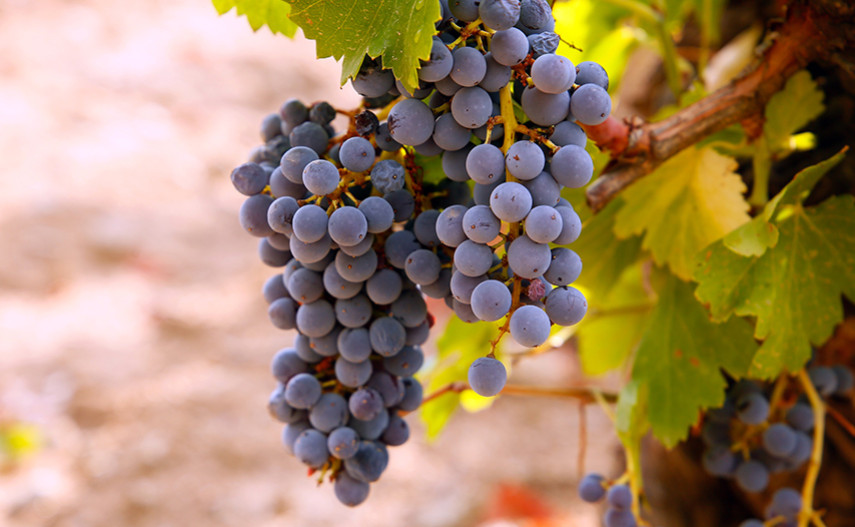
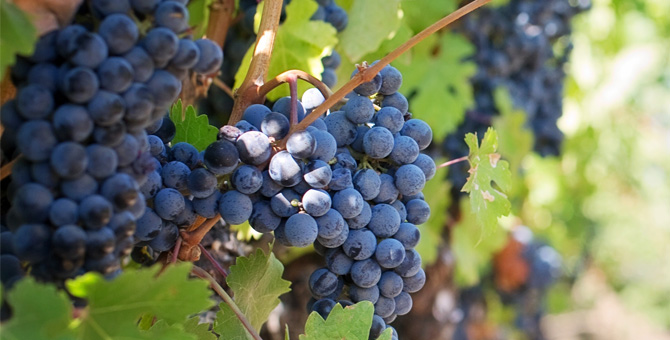
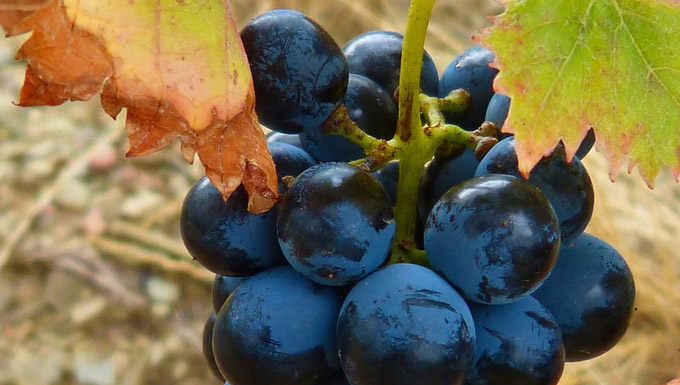
Known as Garnacha in Spain, Grenache in France, or Cannonau in Sardinia, this grape variety is a true Mediterranean traveller. Originally from the Aragonese region, it spread with the Crown of Aragon from the Ebro Valley to the Rhône, adapting with remarkable ease to the sun-drenched landscapes and poor soils of southern Europe.
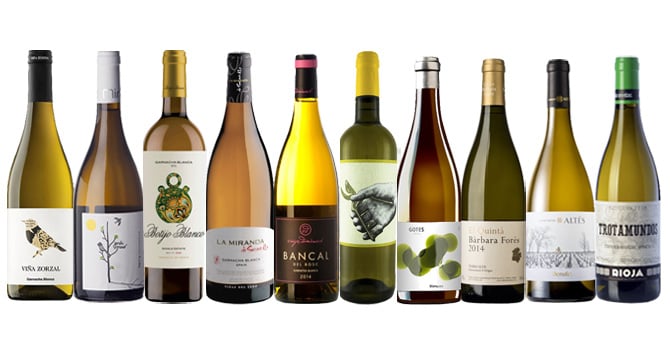
Its resilient and versatile nature has established it as one of the most emblematic varieties of the Mediterranean climate. La Garnacha thrives in the sun, endures drought, and shuns the cold; thus, it flourishes in arid landscapes where other varieties barely survive. Over the centuries, it has given rise to multiple expressions: Peluda, Tintorera, Gris, or Blanca, different facets of the same noble vine.
During the 1980s, however, its history in Spain experienced a dark hiatus. The craze for Tempranillo and other foreign varieties relegated Garnacha to the background. The wines of that era were powerful, sweetish, and oaky, more inspired by international models than by the character of the terroir. The local identity faded... and with it, thousands of hectares of vineyards vanished.
But every great story has its renaissance...
The change began in the late 1980s, when a new generation of winemakers—well-travelled, curious, and with a global vision—began to rediscover its true potential. Priorat, in Catalonia, was one of the first stages of this transformation. Winemakers such as Álvaro Palacios, René Barbier, Daphne Glorian, and Josep Lluís Pérez revived old Garnacha vineyards on slate soils and reinterpreted the variety under a new paradigm: wines of origin, with balance, elegance, and depth. In other regions, the Sierra de Gredos revealed another aspect of Garnacha, more subtle, floral, and mountainous, driven by producers like Telmo Rodríguez, Comando G, or Marañones.
Since then, the Garnacha revolution has transcended borders. Today, it is found throughout the Mediterranean arc—from the Rhône to Sardinia, Navarra, Catalonia, and Aragón—but also in more distant regions such as California, Australia, South Africa, and Chile, where its adaptability and expressiveness have made it an essential variety for modern wine.
La Garnacha combines intensity and transparency: it can produce robust and concentrated reds, but also delicate, aromatic wines with elegant freshness. Its high alcohol content, silky texture, and fruity character have made it indispensable both in blends and in high-level single-varietal interpretations.
More than a grape, Garnacha is a way of understanding the Mediterranean: light, wind, resilience, and authenticity.