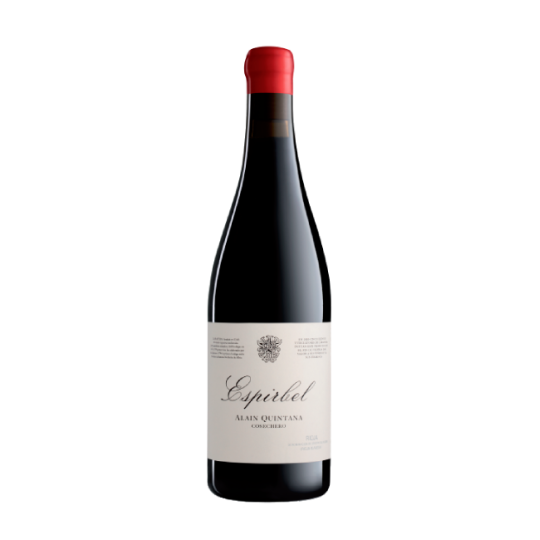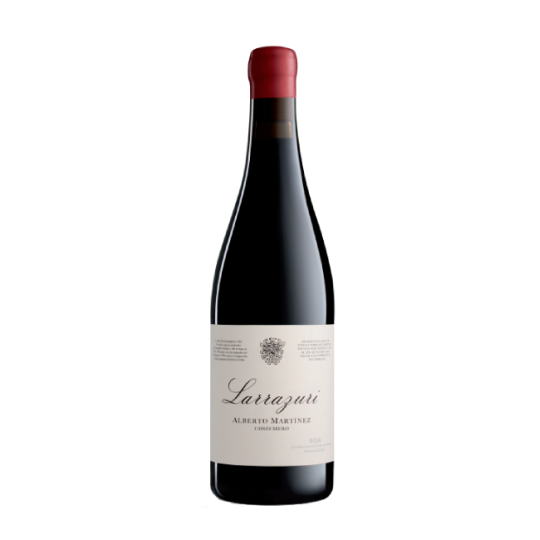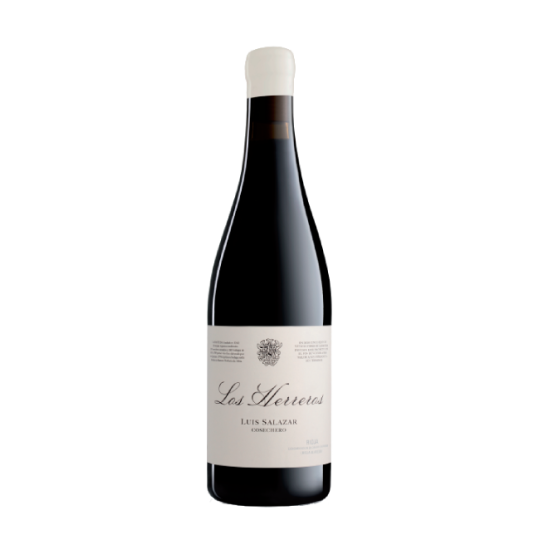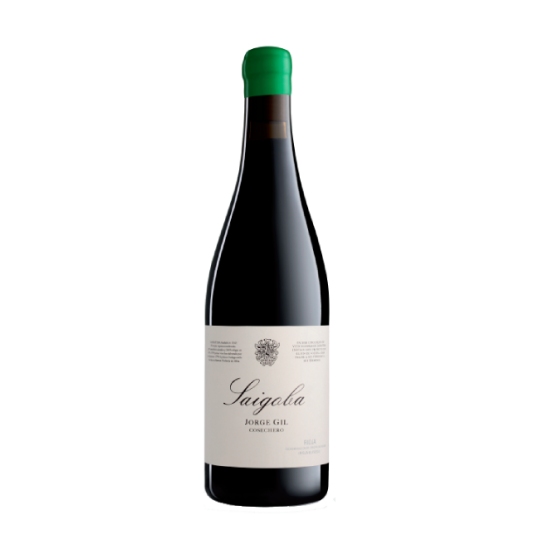


Although when we speak of a "cosechero" we often associate it with the person who gathers the fruits or products of the field when they are ripe, in wine regions such as La Rioja, the term acquires a deeper significance. There, "cosechero" refers to the grape or wine producer, especially one who crafts wine with their own grapes, without resorting to large industrial means. With the aim of keeping this tradition alive, the project Cosecheros de Labastida emerged during the 2020 harvest, spearheaded by five viticulturists —Jorge Gil, Íñigo Perea, Luis Salazar, Alain Quintana, and Alberto Martínez— who decided to pay homage to their forebears by reviving the ancestral practice of producing wine with their own grapes, rather than selling them to large wineries.
To fulfil this purpose, they have the support of Telmo Rodríguez and the Granja Nuestra Señora de Remelluri. Through this initiative, Cosecheros de Labastida protect their craft against the threat of industrialisation and showcase to the world the diversity and quality of the authentic terroir of Labastida, thereby reviving the purest, most traditional, and unique viticultural spirit.
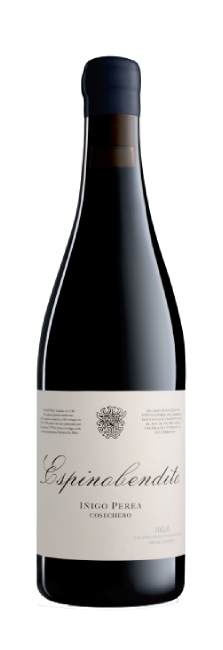
In the case of Espinobendito, it is the personal project of Íñigo Perea. Preserved from generation to generation, this vineyard, whose origin is estimated to be prior to 1890, survived thanks to Agustín Perea, Íñigo's grandfather, who recognised the value of the old vines and protected them from replanting. Vines planted among fruit trees —peach trees, fig trees, and apple trees— with a mix of red and white varieties and cultivated according to traditional practices. The harvest is carried out by hand, in 12 kg boxes. After manual selection at the winery, the grapes are destemmed and fermented with indigenous yeasts in used 500-litre French oak barrels (bocoys). The fermentation lasts between 20 and 25 days, with pump-overs twice a day.
Once the alcoholic fermentation is complete, the grapes are gently pressed and the wine is racked into used 500 and 225-litre barrels, where it undergoes malolactic fermentation for at least 5 weeks. Afterwards, it rests for between 18 and 24 months, with annual racking until it is bottled.
With Espinobendito, Íñigo Perea revives a century-old vineyard and a winemaking approach that reflects the essence of the Labastida terroir. A sincere, balanced wine deeply connected to the history of his family.