


 Red wine
 White wine
 Rosé wine
 Sweet wine
 Orange wine
 Champagne
 Cava
Cava Prosecco
 Lambrusco
 Crémant
 Moscato d'Asti
 Franciacorta
 Pet-Nat
 Corpinnat
 Other sparkling wines
 Wine gift boxes
 Boxed wines
 Boxed sparkling wines
 Wine bottles and glasses
 Gift card
 Non alcoholic Wine
 Non alcoholic Sparkling wine
 Aromas
 Wine conservation
 Decanters and aerators
 Bottle identifiers
 Corkscrews
 Service
 Glass identifiers
 Cleaners
 Accessories set
 Wine glasses
 Contact

Native yeasts: the invisible DNA of wine
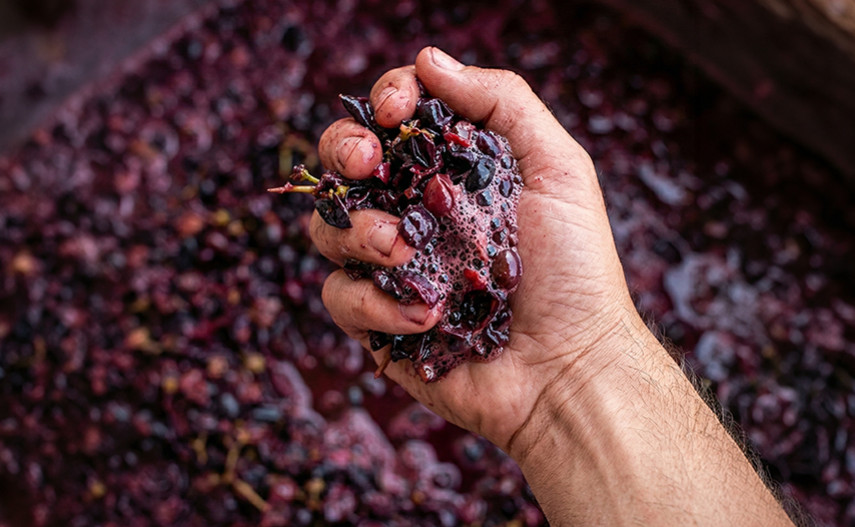
Did you know that on the grape skins and in every corner of the vineyard, there exists a tiny army of minuscule beings that ensure each bottle is unique?
When we think of wine, it's easy to picture the winemaker in a white coat, glass in hand, deciding which grape goes into each barrel. Yet, behind every sip, there are tiny protagonists that almost go unnoticed: the native yeasts that, with patience and perseverance, transform the sweet must into wine. And not just any wine: each microclimate, each plot, each season leaves its mark on these unicellular fungi, which in turn impart character and personality to each harvest.
Each vineyard has its own community of yeasts, shaped by the climate, the soil, and even the breeze that caresses the vines. Therefore, even if the grape variety is the same, the wine can tell different stories depending on where it is cultivated. This natural diversity allows a chardonnay from one area to have a distinct personality from another, even if they share climate and cultivation techniques. The native yeasts are, in a way, the guardians of the vineyard's identity and the character we ultimately perceive in the glass.
During fermentation, yeasts not only produce alcohol: they also release carbon dioxide and compounds that enrich the texture and aromas of the wine. When they finish their work, they die and settle at the bottom of the tank, becoming the lees, sometimes referred to as the "mothers of the wine." Far from being waste, these particles contribute complexity, roundness, and longevity, especially in white or sparkling wines, and are the key to techniques such as battonage, where the wine is gently stirred with the lees to extract all their benefits.
The work of these small artisans is a balance of patience, nature, and respect: a lapse in cleanliness, an unexpected rain, or a change in temperature can alter the outcome, but when everything aligns, the wine speaks with its own voice. Thanks to them, each bottle contains the memory of the vineyard, the story of the hands that tended the grapes, and the magic of a fermentation that cannot be replicated exactly.
So, the next time you raise a glass, take a moment to imagine these tiny alchemists working silently: without their effort, our wine would be nothing more than sweet juice. They are the invisible heart that beats in every sip, the spark that turns nature into pleasure, and the secret touch that makes each bottle tell its own story. A toast to the yeasts, to the vineyards that host them, to the winemakers who nurture them, and to the magic they bestow upon us, sip by sip, in every glass we enjoy.