




 Red wine
 White wine
 Rosé wine
 Sweet wine
 Orange wine
 Champagne
 Cava
Cava Prosecco
 Lambrusco
 Crémant
 Moscato d'Asti
 Franciacorta
 Pet-Nat
 Corpinnat
 Other sparkling wines
 Wine gift boxes
 Boxed wines
 Boxed sparkling wines
 Wine bottles and glasses
 Gift card
 Non alcoholic Wine
 Non alcoholic Sparkling wine
 Aromas
 Wine conservation
 Decanters and aerators
 Bottle identifiers
 Corkscrews
 Service
 Glass identifiers
 Cleaners
 Accessories set
 Wine glasses
 Contact

The New Generation of Albariño
The albariño variety continues to be in vogue. This indigenous Galician grape transcends the concept of a young, fresh, and fruity wine, and its devoted consumers are also staunch fans of its lees ageing and even the harmonious relationship the variety can achieve with oak.
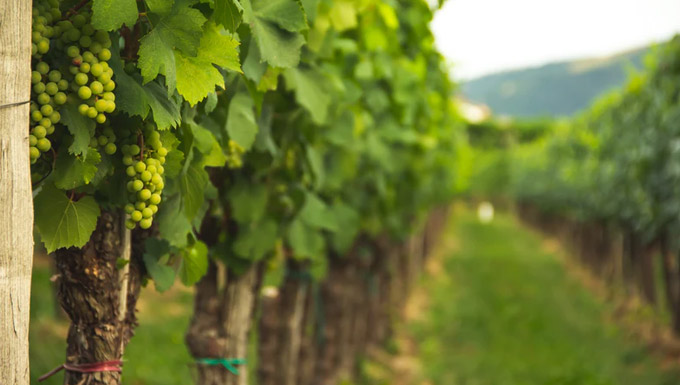
Currently, a new generation of young oenologists is bringing a fresh perspective to the world of white wine crafted from the albariño variety. This generational shift infuses a touch of freshness, creativity, and innovation, allowing us to enjoy today a wide array of albariño wines, perfect for savouring at our leisure.
Uniqueness of the Plots
Starting from the premise that “wine is made in the vineyard,” this new generation focuses primarily on the uniqueness and personality of each plot. Everything hinges on understanding the variability of the terroir and climate. Considering that most wineries producing in the native region of the albariño variety (Galicia) are based on smallholdings, the diversity of small plots allows them to practice personalised viticulture and oenology for each terroir according to its characteristics. This laborious and artisanal process enables them to create distinctive and original wines.
All for the Albariño
The new vintners perceive albariño as a variety with a distinctive character that imparts a profile of freshness and complexity. This has led this typical Rías Baixas variety to make inroads and explore other denominations and regions where this variety is also cultivated. Today, we can find the albariño variety planted not only in Spanish regions such as Catalonia, Castile and León, and Cantabria, but it has also become a regular in the wine-growing areas of Chile, New Zealand, and Argentina. As a result, wonderful albariño varietals are produced, characterised by their clean flavours, notable acidity, and great aromatic potential. But that's not all, as interesting blends with indigenous varieties from the cultivation area can also be found, further enhancing the characteristics of this star variety.
Great Ageing Potential
Respect for the terroir and a profound understanding of the albariño variety allow for going beyond the classic paradigm of a young, fresh, and fruity wine. Indeed, if albariño has anything, it is acidity, an ideal and essential concept for wine ageing. This has led new oenologists to experiment with new materials such as concrete, vats, or foudres, with the aim of their whites acquiring greater complexity of nuances over time. Another noteworthy aspect is that we are dealing with one of the few Spanish white grapes that allows for optimal lees ageing. This characteristic provides greater volume, unctuousness, and varietal character, enabling an even broader pursuit of differentiation by the wineries.
To delve deeper into the world of white wines, we invite you to watch this video explaining the difference between albariño and verdejo, two emblematic Spanish varieties, each with its unique profiles and characteristics.


