



 Red wine
 White wine
 Rosé wine
 Sweet wine
 Orange wine
 Champagne
 Cava
Cava Prosecco
 Lambrusco
 Crémant
 Moscato d'Asti
 Franciacorta
 Pet-Nat
 Corpinnat
 Other sparkling wines
 Wine gift boxes
 Boxed wines
 Boxed sparkling wines
 Wine bottles and glasses
 Gift card
 Non alcoholic Wine
 Non alcoholic Sparkling wine
 Aromas
 Wine conservation
 Decanters and aerators
 Bottle identifiers
 Corkscrews
 Service
 Glass identifiers
 Cleaners
 Accessories set
 Wine glasses
 Contact

What do we mean when we talk about acidity in wine?
Although a strong acidic taste can be unpleasant, it is an essential component of wine. Without it, wine would have no life about it. We can sense it through our taste buds at the back of the tongue and it is what helps us to enjoy the smell, taste and conservation of a wine. It is mainly the grape that brings this touch and, just like everything in life, this acidic character is not always the same. It all depends on the type of aging. However, this is not the only factor...
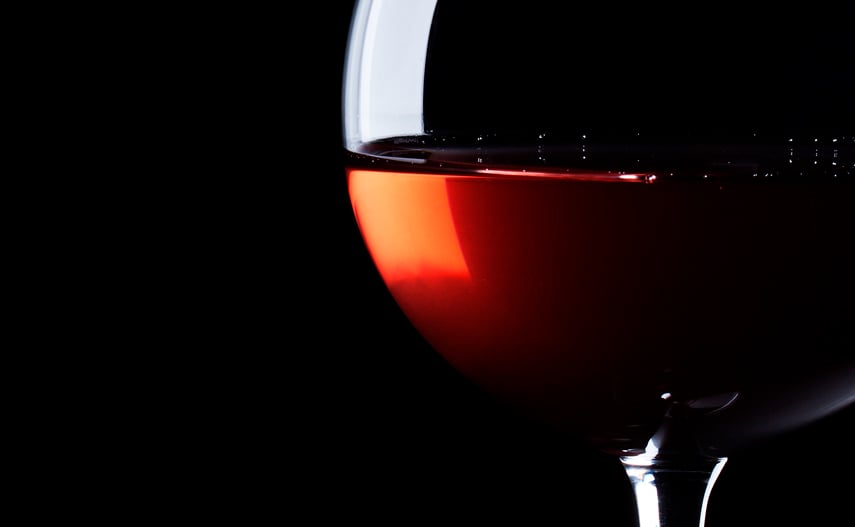
Types of acidity in wine
- From grapes
Tartaric acid, malic acid and citric acid are the three acids present in grapes and, consequently, all of them are also found in wine. The grapes reach their peak acidity level at “veraison”, which is when they begin to ripen and change colour. At this point, the skin stops being green and acquires different shades. As the fruit ripens, acidity decreases and sugar increases. Picking the fruit at the optimum point of ripeness is where the secret of success lies.
- From the production process
Other acids are formed in the winery, mainly due to fermentation processes. Lactic, acetic and succinic acids are three acids that are formed from microorganisms and it is the winemaker’s responsibility to ensure that they develop in the right measure. If there is too much the wine will be defective. And if not enough acidity has formed, it will lose colour, aroma and flavour and will jeopardise its preservation.
- From the bottle
Finally, once the wine has been made, it is active in the bottle, so it can also continue to form lactic and acetic acids. This is why the winemaker is responsible for measuring the amount of free sulphur dissolved in the wine and, based on this, calculates the dosage to be added to encourage the proper preservation of the wine for the duration of its shelf life.
What does acidity bring to wine?
- Colour
The grape gets its colour from a process known as ionisation and, the level of acidity it contains will determine the intensity of the colour. So, while red wines made from grapes with high acidity have a bright red colour, grapes with low acidity create wines with a duller colour. In whites, wines with high acidity are yellow and bright and those with low acidity are slightly brown.
- Flavour
Wine is a compendium of components. They all have their part to play and acidity is a crucial element for a pleasant sensory experience. On the one hand, it provides freshness and vivacity and, on the other hand, it reduces the risk of becoming a cloying and excessively sweet wine.
- Preservation
Acidity is a key element in the structure of a wine. The better structured the wine is, the better its ability to age. When a wine achieves a balanced acidity it will last for a while, but if the acidity is low, it will lack structure and become lifeless in a short time.
- Protection
Sulphur dioxide is the best wine preservative. It protects it from deterioration and decay. However, the acids formed during fermentation in the winery also act as natural preservatives. They help stop the growth of bacteria that could spoil wine.
As you can see, acidity is essential in wine, both for preservation, as well as for the smell and taste. Now it is up to you to recognise when a wine is full of life and enjoy all its sensory qualities. An earthly pleasure that feels like heaven.