




 Red wine
 White wine
 Rosé wine
 Sweet wine
 Orange wine
 Champagne
 Cava
Cava Prosecco
 Lambrusco
 Crémant
 Moscato d'Asti
 Franciacorta
 Pet-Nat
 Corpinnat
 Other sparkling wines
 Wine gift boxes
 Boxed wines
 Boxed sparkling wines
 Wine bottles and glasses
 Gift card
 Non alcoholic Wine
 Non alcoholic Sparkling wine
 Aromas
 Wine conservation
 Decanters and aerators
 Bottle identifiers
 Corkscrews
 Service
 Glass identifiers
 Cleaners
 Accessories set
 Wine glasses
 Contact





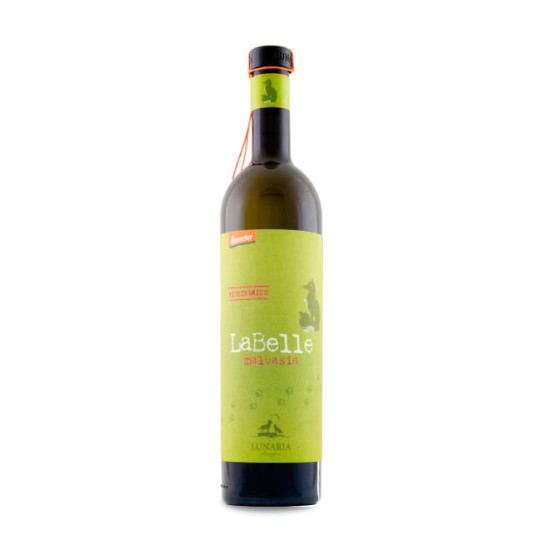
Cantina Orsogna Lunaria Labelle Malvasia 2024
 DOC Montepulciano d'Abruzzo
(Abruzzo)
DOC Montepulciano d'Abruzzo
(Abruzzo)
A true tribute to the tradition of Malvasia
Quick view
€11.35
-15%
Price
€9.60
VAT inc.
- -15.42%
- New
 Attention
