



 Red wine
 White wine
 Rosé wine
 Sweet wine
 Orange wine
 Champagne
 Cava
Cava Prosecco
 Lambrusco
 Crémant
 Moscato d'Asti
 Franciacorta
 Pet-Nat
 Corpinnat
 Other sparkling wines
 Wine gift boxes
 Boxed wines
 Boxed sparkling wines
 Wine bottles and glasses
 Gift card
 Non alcoholic Wine
 Non alcoholic Sparkling wine
 Aromas
 Wine conservation
 Decanters and aerators
 Bottle identifiers
 Corkscrews
 Service
 Glass identifiers
 Cleaners
 Accessories set
 Wine glasses
 Contact

Quick Guide to Understanding Rioja and Ribera del Duero
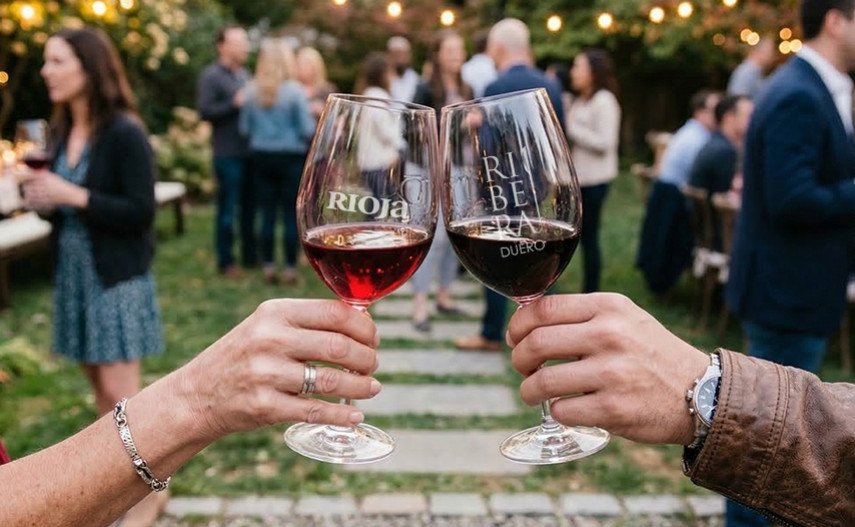
Spain boasts two wine giants: Rioja and Ribera del Duero. Each region possesses its own distinct personality, yet both have the ability to captivate any wine enthusiast. They produce red wines of remarkable character, but their history, style, and philosophy differ. This quick guide will assist you in understanding their differences and similarities, so that enjoying a wine from either region ceases to be a mystery.
The Importance of Place: Location, Climate, and Terroir
Rioja and Ribera del Duero are two regions with a millennia-old winemaking tradition, where Roman remains indicate that vines have been cultivated here for centuries. In both cases, the vineyards flourish near a river: the Ebro in Rioja and the Duero in Ribera del Duero.
However, conditions vary by region. Ribera del Duero experiences a semi-arid continental climate, with long, cold winters and hot, dry summers, resulting in more intense grapes with body and firm structure, ideal for concentrated wines. In contrast, Rioja enjoys a temperate continental climate, with mild winters and moderate summers, producing more elegant and aromatic wines with delicate nuances.
The soils accentuate these differences: in Rioja, there is a great diversity, ranging from clay and limestone to alluvial, allowing for the production of fresh and light wines in Rioja Alta and warmer, more powerful reds in Rioja Baja. In Ribera del Duero, clay and limestone soils with pebbles predominate at higher altitudes, favouring concentrated wines with intense fruit and firm tannins.
Tempranillo: The Queen of Grapes
The tempranillo grape takes centre stage in both regions, a Spanish red variety that thrives in American or French oak barrels.
In Rioja, alongside tempranillo, varieties such as garnacha, mazuelo, and graciano are used, adding complexity and harmony. In Ribera del Duero, tempranillo is known as tinta del país, where it reaches its fullest expression. Additionally, some wineries incorporate French grapes like cabernet sauvignon, merlot, and malbec to provide structure and depth.
Production reflects their styles: in Rioja, 90% of the wines are red, with the remainder divided between whites and rosés. In Ribera del Duero, reds account for nearly 97% of production, leaving whites and rosés as a minority.
Oak Aging: Making the Difference
Barrel aging is crucial in both Rioja and Ribera del Duero, but each region applies it differently. Rioja is distinguished by its traditional classifications: Crianza, Reserva, and Gran Reserva, which specify precise times in barrel and bottle. Their wines are typically elegant, balanced, with notes of red fruit, vanilla, and spices, resulting from the harmony between grape and wood.
In Ribera del Duero, aging is also common, although the regulations are more flexible. Here, greater emphasis is placed on the intensity and concentration of the wine rather than the exact barrel time. Additionally, the category “Roble” is used for young wines that have spent little time in barrel, maintaining freshness and vibrant fruit.
How to Choose Rioja or Ribera del Duero
If you seek elegant and balanced wines with red fruit, spices, and vanilla nuances, Rioja is your choice. Its wines pair excellently with tapas, stews, and white meats.
If you prefer powerful and concentrated wines with intense black fruit and firm tannins, Ribera del Duero is the region for you. Its wines pair perfectly with red meats, game, and hearty dishes.
5 Highlights from Rioja
| Artuke | 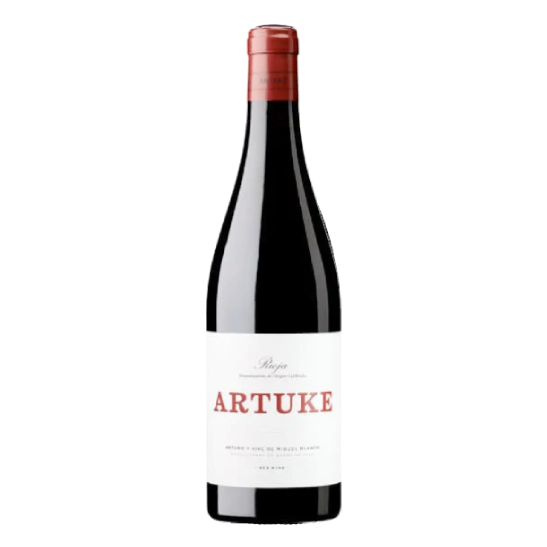 |
If you desire a fresh and modern Rioja, Artuke is what you seek. Behind it is Bodegas y Viñedos Artuke, a family project that blends tradition and boldness. Brimming with fruit and vitality, it is a wine that reflects the terroir with personality and energy. The Rioja of the new generation. |
| Plácet Valtomelloso | 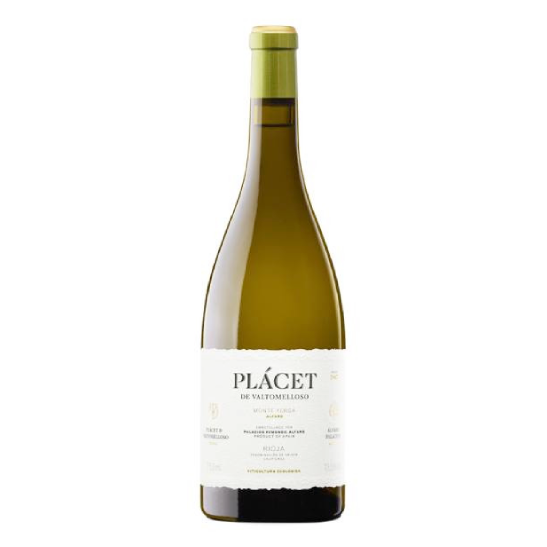 |
White wines in Rioja are few, so when discovering one, it's best to be guided by a master. Álvaro Palacios delights us with this wine, fresh and aromatic, combining ripe fruit, balanced acidity, and an elegance that reflects the full personality of the most authentic Rioja. |
| Lindes de Remelluri Viñedos de Labastida |  |
If anyone has strived to reflect the diversity of the vineyards of this Rioja village and the work of its viticulturists, it is Telmo Rodríguez. Lindes de Remelluri Viñedos de Labastida is an elegant wine, with ripe fruit and fine tannins, and a freshness that reflects each of its plots and the dedication of those who work them. |
| Muga Rosado |
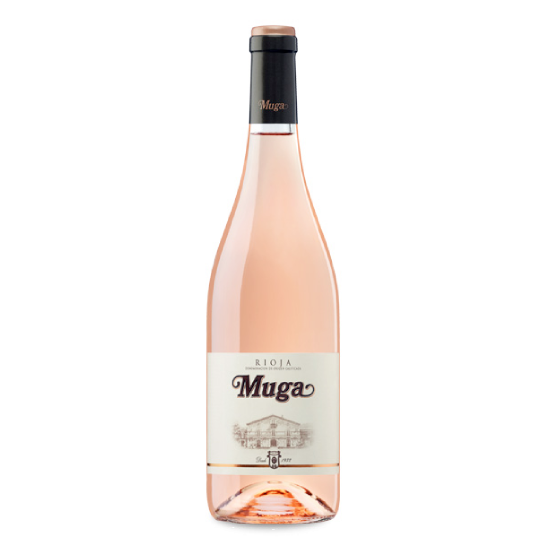 |
If this legendary winery in the station district is known for anything, it is for its rosé. Muga Rosado is a fresh and vibrant wine, with juicy red fruit and balanced acidity, making it one of the most expressive and renowned rosés of Rioja. |
| Rioja Alta 904 Gran Reserva |  |
The Gran Reservas of Rioja are globally recognized for their quality and prestige, and if anyone has championed this, it is Rioja Alta. Their Rioja Alta 904 Gran Reserva is a perfect example: elegant, complex, and true to the region's tradition. |
5 Highlights from Ribera del Duero
| Antídoto | 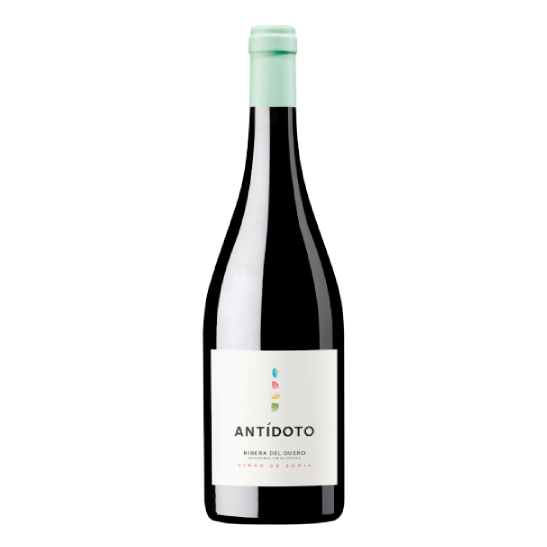 |
Crafted by French vigneron Bertrand Sourdais with tinto fino from old vines spread across 332 small plots, Antídoto is an excellent representative of the Sorian Ribera del Duero. Pure, fresh, and easy to drink, it is a wine that never disappoints. |
| Pago de carraovejas | 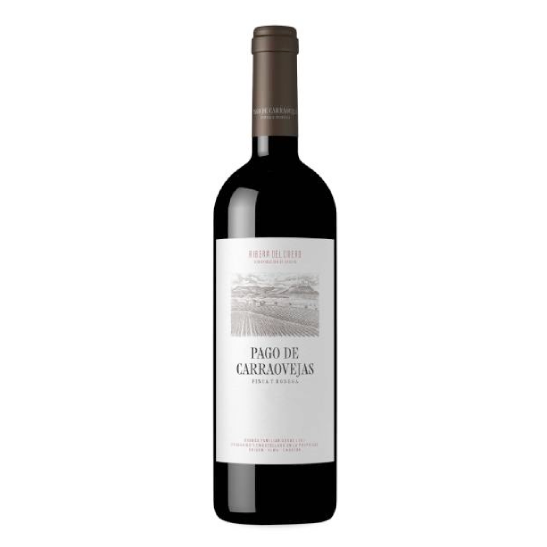 |
An essential from Ribera del Duero, Pago de Carraovejas is an elegant red full of character, with ripe fruit and silky tannins. A classic that reflects the most authentic essence of the region and demonstrates why such a young denomination has come so far in such a short time. |
| Dominio de Atauta |
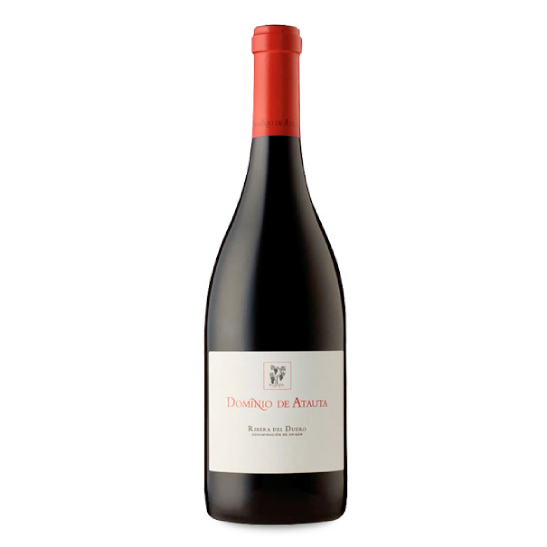 |
If the climate of Ribera del Duero is known for its harshness, Dominio de Atauta is one of those wineries where altitude and extreme conditions challenge the vine even further. This wine emerges powerful and elegant, with intense fruit and firm tannins that reflect the strength and unique character of the region. |
| Dominio de Águila Reserva | 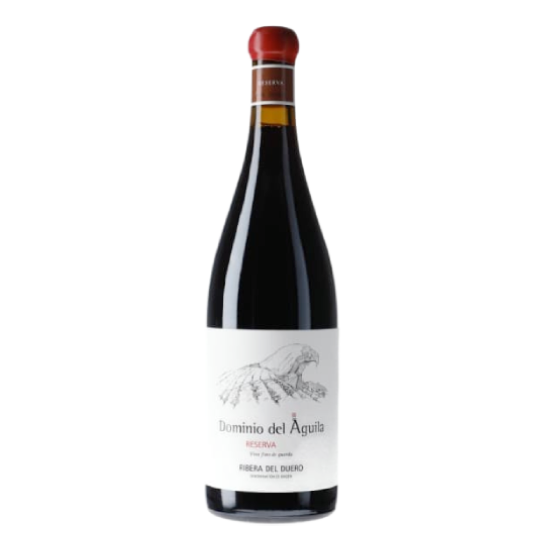 |
Created by Jorge Monzón, an oenologist with experience at Romanée‑Conti and Vega Sicilia, each bottle seeks finesse, elegance, and the authentic character of the clay-limestone soils. A wine that not only surprises the palate but also brings smiles. |
| Vega Sicilia Valbuena 5º año |
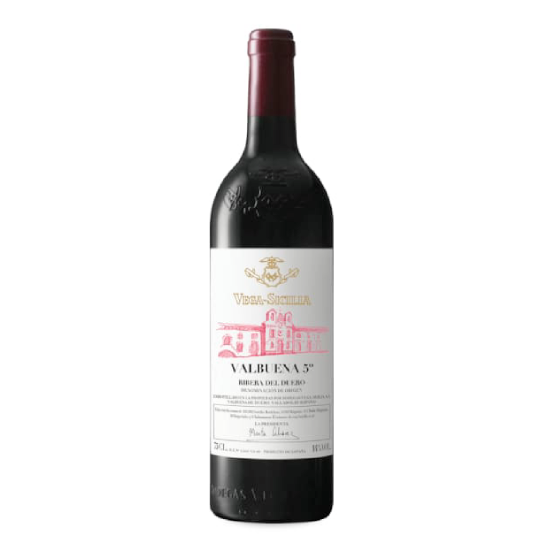 |
If there is an iconic winery of Ribera del Duero that every wine lover should know, it is Vega Sicilia. Vega Sicilia Valbuena 5º Año is elegant, profound, and with a history that has shaped Spanish viticulture, a wine that embodies the excellence of the region. |